



Interior design isn’t just about pretty choices — it’s a practical toolkit. Master two core principles and you’ll make faster, more confident decisions that turn rooms into purposeful, beautiful spaces.
At its best, decorating is three-dimensional problem solving: balancing color, light, scale and function so a space looks good and lives well. When overwhelmed, homeowners often overcomplicate. Strip design back to its essentials and two ideas do most of the work: emphasis and harmony.
Emphasis: Create a Clear Anchor
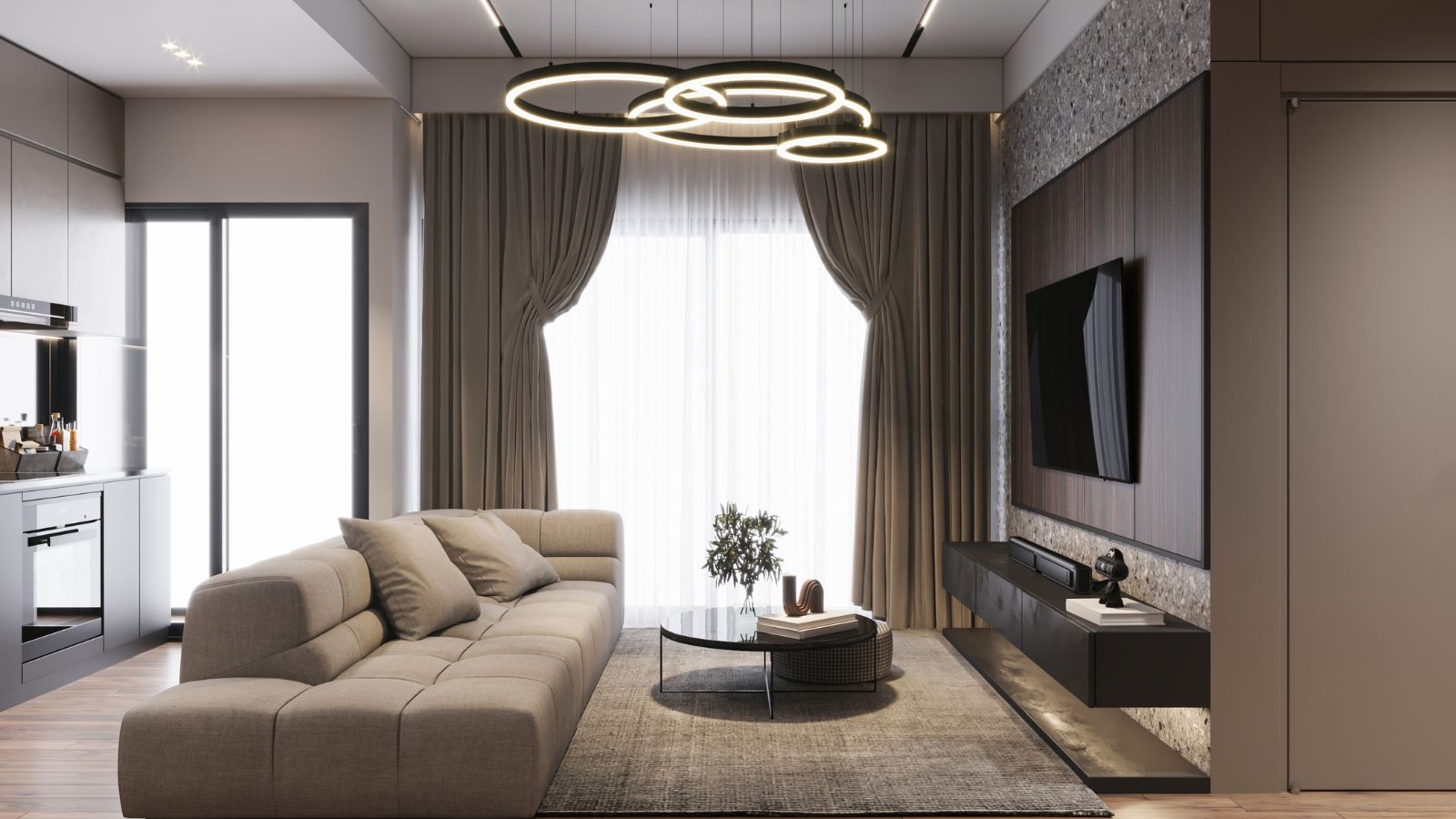
Emphasis gives a room direction. A dramatic fireplace, a large window, an oversized pendant or a bold feature wall tells the eye where to land first. Use contrast, scale or texture to establish that anchor — a mosaic-clad surround, a statement light, or unexpected wallpaper on the ceiling can all do the job. The trick is restraint: one strong focal point makes every other choice feel intentional.
Harmony: Make Everything Belong
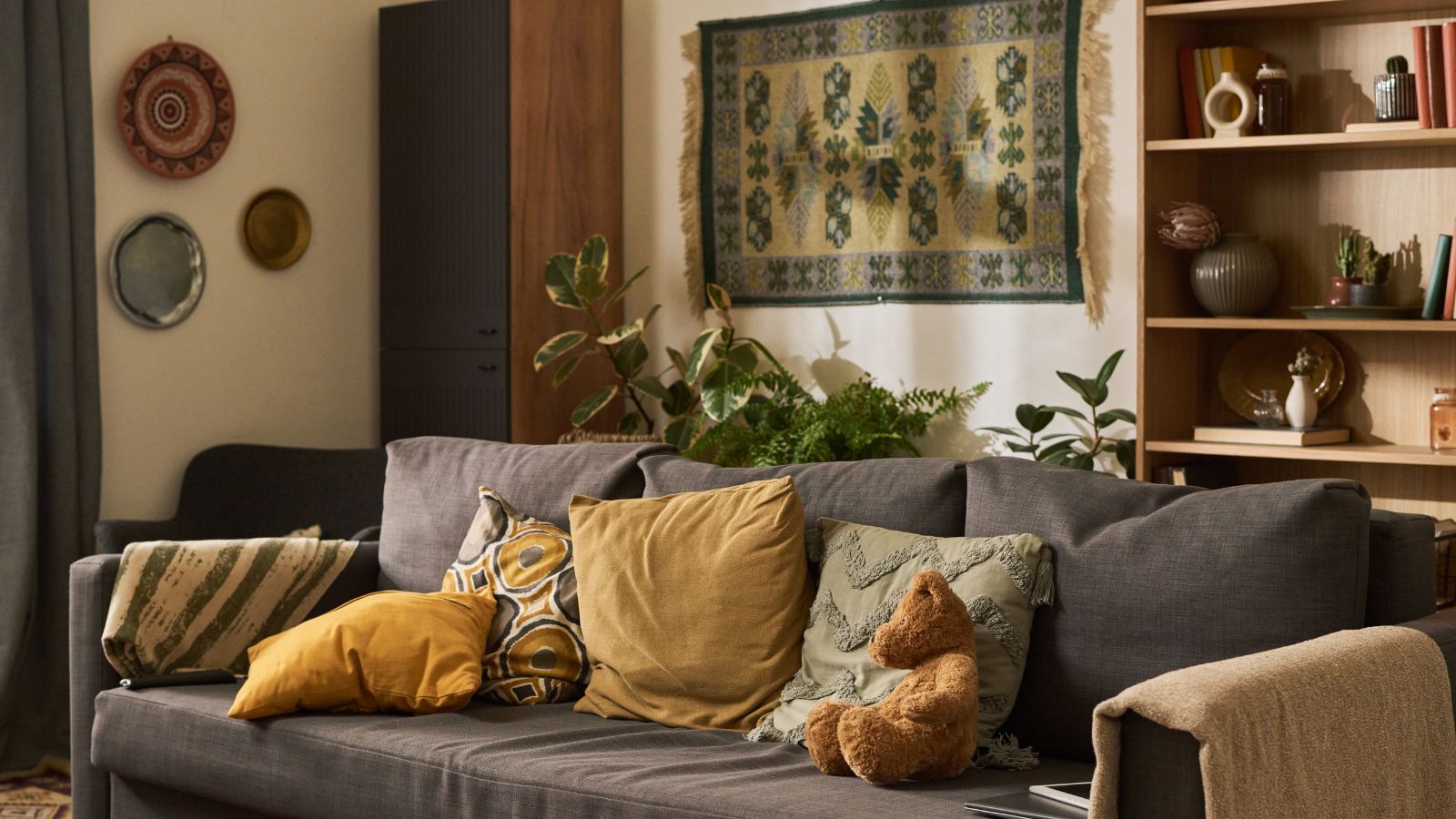
Harmony ties pieces into a cohesive whole. Repeat colors, materials or finishes — your “red thread” — across the home so rooms feel connected rather than disjointed. Resist filling the room with competing stars; quieter, simpler pieces act as supporting cast, letting focal elements shine. Small moves, like unifying hardware finishes or painting walls and ceiling the same shade, create an elevated, considered look with minimal effort.
Practical Tips
Pick one focal point per room and build around it.
Limit your palette to 2–3 dominant tones plus accents.
Vary scale: pair one large statement piece with smaller, simpler furnishings.
Test finishes together in natural light before committing.
Design doesn’t need to be complicated. Prioritize a clear focal point and a cohesive thread through your choices, and you’ll create spaces that feel polished, functional and unmistakably yours.