


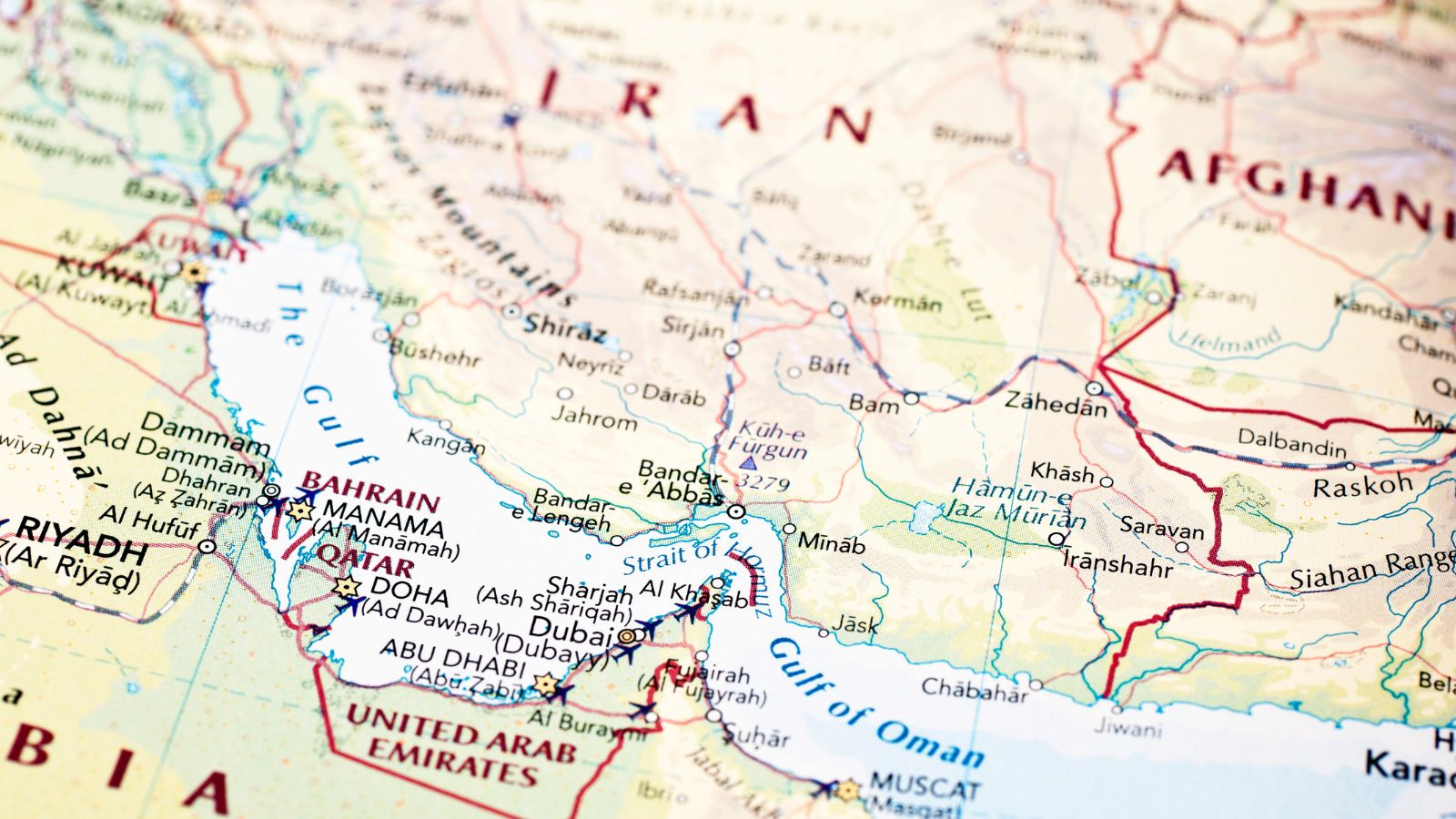
Saudi Arabia’s energy giant Saudi Aramco has warned that the global oil market could face “catastrophic consequences” if the Strait of Hormuz remains blocked amid escalating tensions involving the United States, Israel, and Iran.
The disruption to one of the world’s most critical shipping routes has already removed roughly 20 million barrels of oil per day from global supply, raising concerns about potential economic fallout if the situation continues.
Oil Supply Disruption Raises Global Concerns
According to Amin Nasser, the crisis represents the most serious challenge the region’s energy sector has faced in decades.
“While we have dealt with disruptions in the past, this is by far the biggest crisis the region’s oil and gas industry has experienced,” Nasser said.
Despite the blockade, Saudi Arabia expects it can still deliver about 70% of its usual crude exports by redirecting shipments through its east-west pipeline to the Red Sea port of Yanbu.
Aramco is also drawing from crude oil stored outside the Gulf region to maintain supply to customers, though the company noted that these reserves are only a temporary solution.
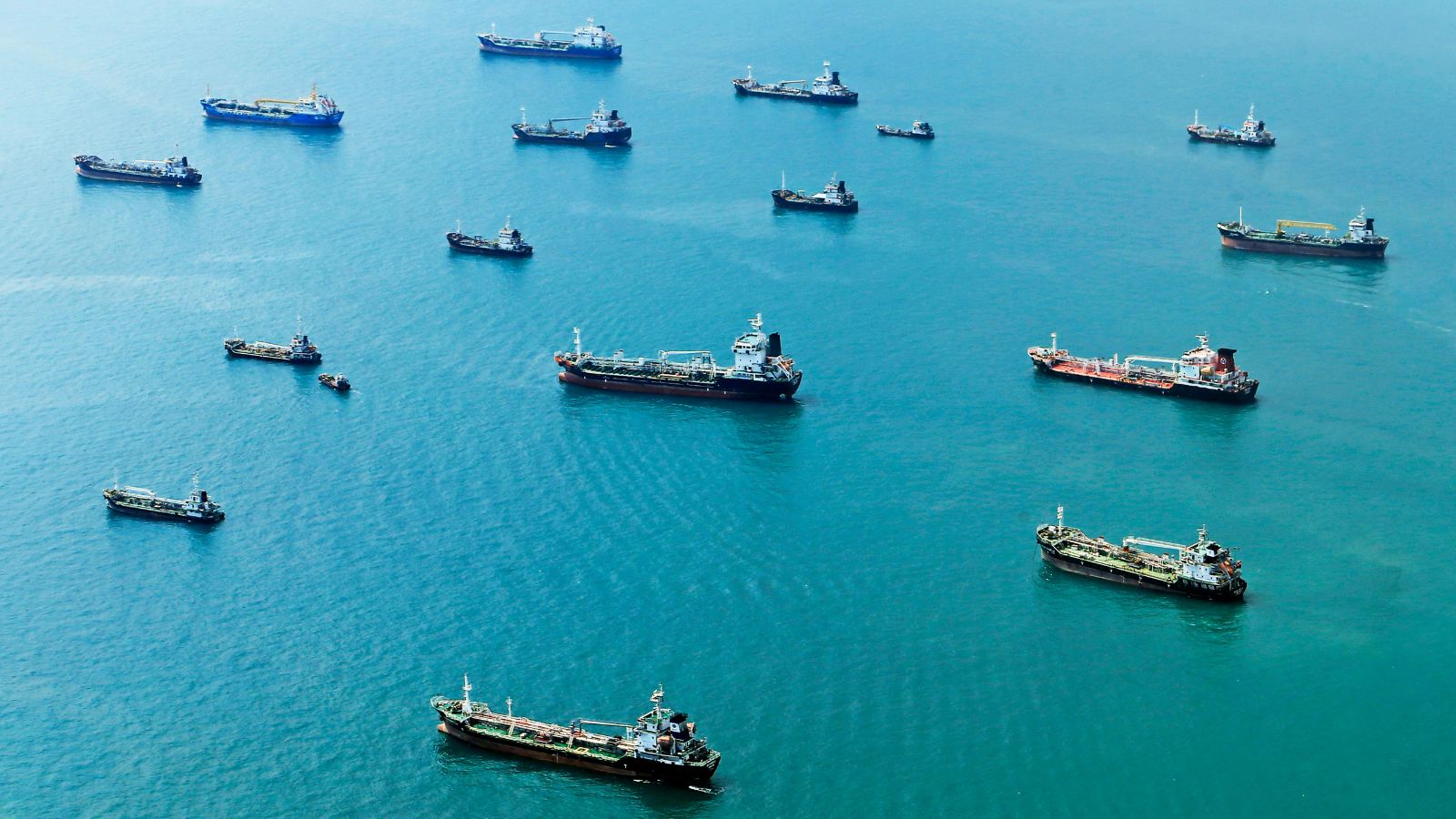
Under normal circumstances, around 100 oil tankers pass daily through the Strait of Hormuz, which carries nearly one-fifth of the world’s oil and liquefied natural gas shipments.
However, tanker traffic has fallen sharply after threats from Iran’s Revolutionary Guard targeting vessels using the route.
Markets React as Oil Prices Fluctuate
Oil prices showed volatility as markets reacted to the crisis.
Brent crude, the international oil benchmark, fell to around $85 per barrel, down from a peak of $119 earlier this week, which was the highest level since 2022 following Russia’s invasion of Ukraine.
Markets also gained optimism after Donald Trump suggested the conflict could end “very soon.”
Meanwhile, leaders from the Group of Seven have asked the International Energy Agency to prepare contingency plans for releasing emergency oil reserves to stabilize global markets if supply disruptions worsen.
The International Energy Agency requires its member countries to maintain at least 90 days of emergency oil reserves, which can be released in the event of major supply shocks.
Analysts say that if the Strait of Hormuz remains closed for an extended period, the impact could spread beyond energy markets and affect global trade, inflation, and economic growth.
Source: The Guardian